On the afternoon of 16 April, the "Digital Intelligence Empowers, Supply Chains Connect the World — Supply Chain Leaders Integration and Development Matchmaking Forum" was successfully held at the Nanjing International Expo Convention Centre. The forum was a key parallel session of the 10th China International Logistics Development Conference and the 2026 Nanjing High-Quality Logistics Development Conference, guided by the Nanjing Municipal Government and hosted by the Qixia District Government. Huang Xiangmo, Chairman of the Board of Yuhu Group Hong Kong, attended the forum and, speaking on the theme of "From Anchor Enterprise Concentration to Ecosystem Co-creation," put forward four cooperation proposals to the assembled guests, drawing significant attention from the industry.
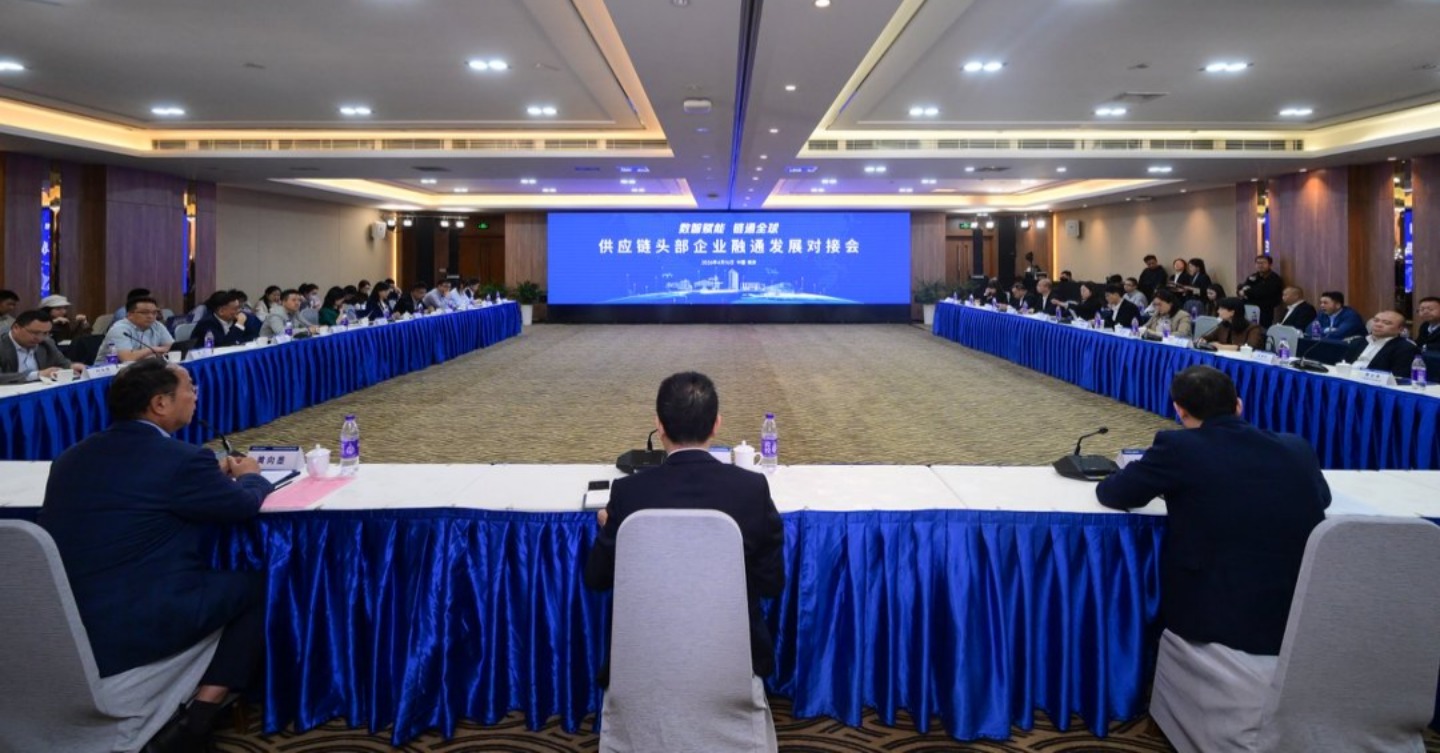
The forum brought together leading enterprises from across the industrial and supply chain landscape. Representatives from approximately 20 major companies participated, including Eastern Airports, COSCO SHIPPING Logistics Supply Chain, Skywell, S.F. Holding, Full Truck Alliance, Nanjing Sinotrans, Shandong Airlines, Cathay Pacific, Raya Airways, Nanjing VX Cold Chain, Jiangsu Zhongcheng International Logistics, Air China Cargo, Suruiya Airlines, Jiangsu Yishun International Logistics, Suparna Airlines, China Eastern Airlines Logistics East China Branch, and China Southern Airlines Logistics Jiangsu Branch. Together, they explored pathways for digital and intelligent transformation in logistics and supply chains, and opportunities for international cooperation.
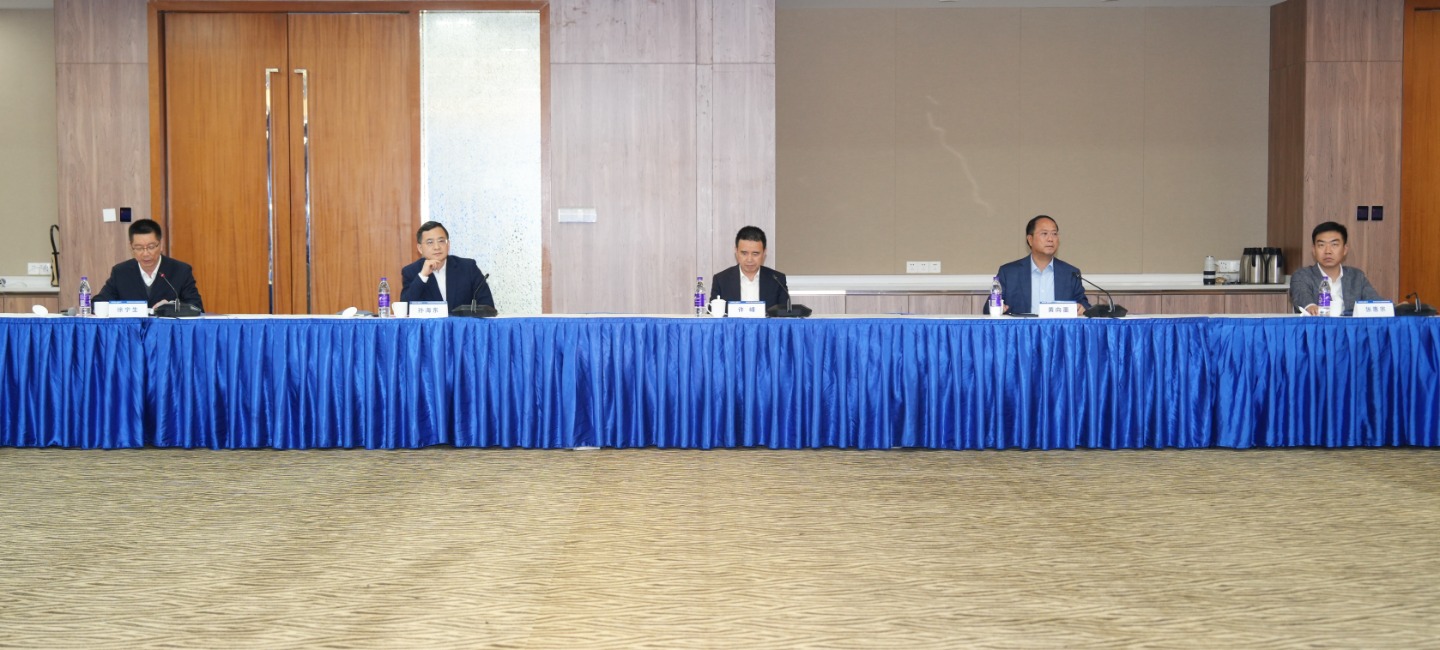
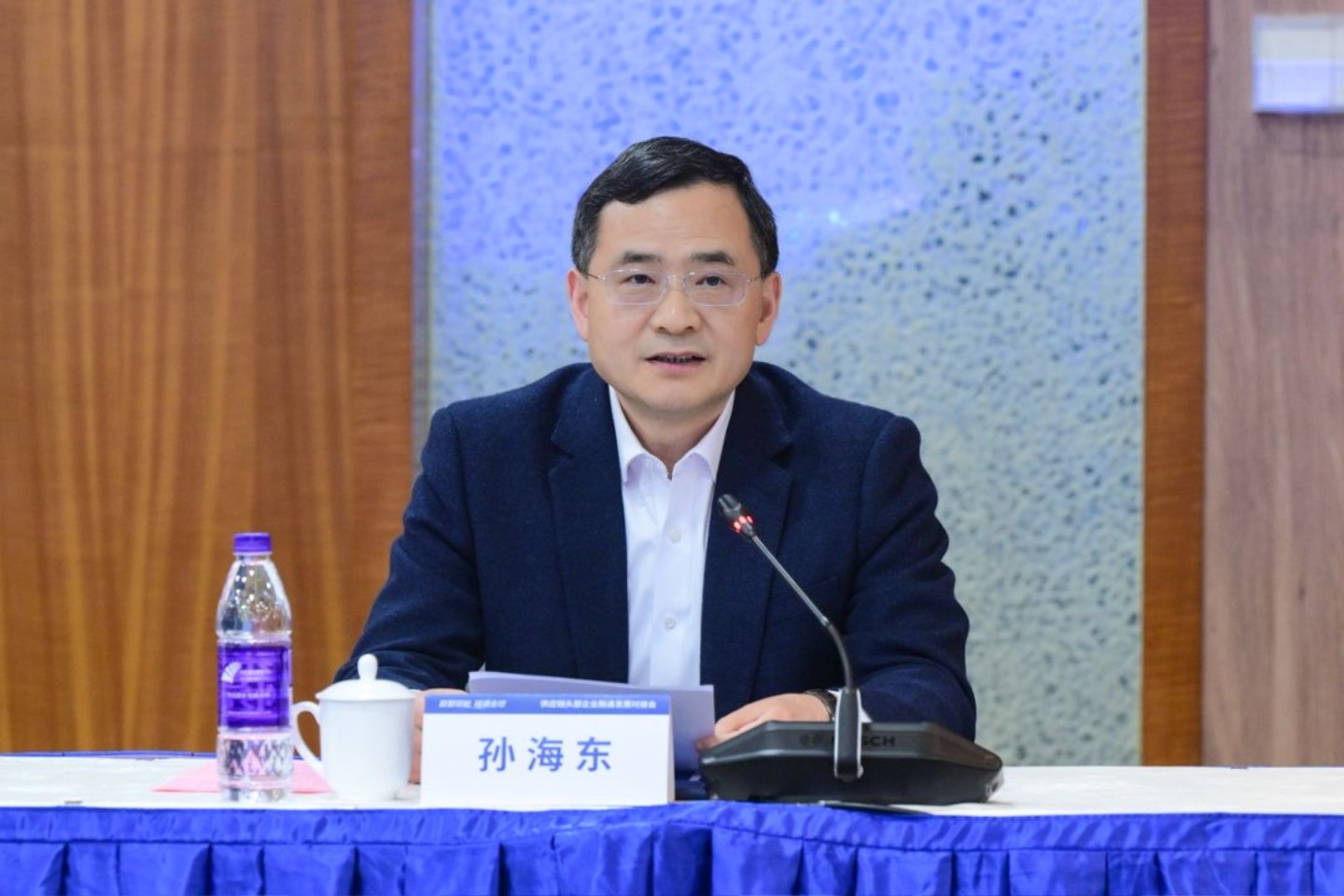
Nanjing Vice Mayor Xu Feng and Qixia District Party Committee Secretary Sun Haidong attended and spoke at the forum. In his opening remarks, Sun Haidong noted that Qixia District is seizing the policy opportunities created by the national and provincial dual-direction open hub strategy, and leveraging its combined advantages as a port-type, production services-type, and land port-type national logistics hub, to provide seamless logistics support for supply chain enterprises. He observed that Yuhu Group — a digitalised integrated services enterprise connecting domestic and international trade across the full value chain — has chosen to put down roots in Qixia, a move that represents a meeting of strategic intent and a prime logistics hub. This not only advances Yuhu's footprint in the Yangtze River Delta, but also catalyses the integrated port-city development momentum that Qixia is building. He expressed his sincere hope that Yuhu Group and the supply chain leaders in attendance would use the forum as a platform to forge strong partnerships, build on each other's strengths, and jointly advance toward the higher end of the global industrial and value chain.
Yuhu Group Presentation: Nanjing Has the Ideal Conditions to Become an International Logistics Services Hub
At the forum, Yuhu Group Hong Kong gave a comprehensive overview of the company's development and the progress and vision of its key Nanjing project, Yuhu Cold Chain (Nanjing) Trading Centre.
Yuhu Group Hong Kong is a multinational industrial investment group headquartered in Hong Kong with 26 years of history. It has established a diversified business structure anchored by three strategic pillars: cold chain infrastructure and smart technology; agri-food investment, operations and supply chain management; and integrated complex development and operations. In 2020, the Group responded proactively to China's national food safety strategy and the dual domestic-international circulation strategy by establishing Yuhu Cold Chain (China) Co., Ltd., with the mission of building China's leading trading platform for high-quality cold chain food. To date, Yuhu Cold Chain has completed the layout of nine Trading Centres across the Greater Bay Area, Southwest, Central China, and Beijing-Tianjin-Hebei regions, with total cold storage capacity exceeding 2.6 million metric tons and the largest portfolio of cold chain projects under construction in China. Multiple trading centres have been selected as national cold chain logistics backbone bases, airport-type / commercial services-type / land port-type national logistics hubs, and "dual-use for normal and emergency operations" public infrastructure projects.
Among these, Yuhu Cold Chain (Nanjing) Trading Centre signed its contract in February 2025. Under the efficient support of Nanjing's government bodies at all levels, the project completed the critical milestones of signing, land acquisition and construction commencement within the same year — all within just eight months — setting what has been called the "Nanjing speed." The project's main structure is on track for topping out within the year, with operations expected to commence by end-2027. Positioned as a end-to-end cold chain food services hub radiating across the Yangtze River Delta, the project has been selected as part of Nanjing's land port-type national logistics hub.
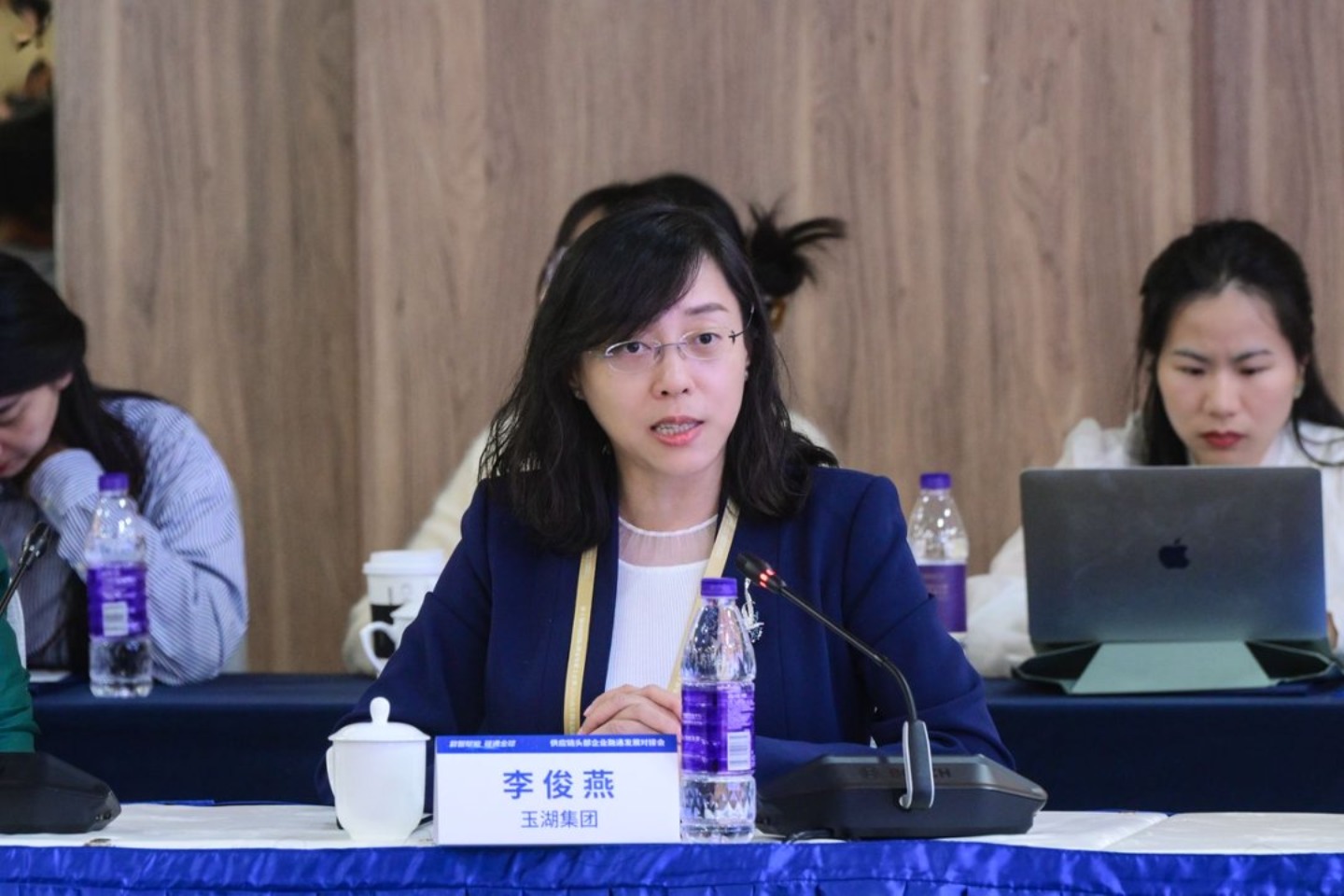
During the presentation, Li Junyan, Director and Senior Vice President of Yuhu Cold Chain, highlighted that Nanjing's nearly RMB 2 trillion GDP, a catchment population of 35 million, and RMB 800 billion in total retail sales of consumer goods represent enormous consumer potential and circulation demand. At the same time, Nanjing is advancing the Phase 3 expansion of Lukou Airport and benefits from a fund industry cluster supporting emerging industries. "It is safe to say that Nanjing already has all the conditions needed to become an international logistics services hub," Li Junyan stated. She noted that Yuhu Cold Chain's investment in Nanjing was driven precisely by confidence in this environment — connecting global origins at one end and serving China's end markets at the other, working hand in hand with leading supply chain enterprises to build an industry ecosystem.
Four Areas of Cooperation: From "Anchor Enterprise Concentration" to "Ecosystem Co-creation"
Building on Yuhu Cold Chain's nationwide network and Nanjing's distinctive hub advantages, Yuhu Group put forward four areas of cooperation in its presentation, calling on the assembled supply chain leaders to jointly build a cold chain industry ecosystem.
The first is to leverage Nanjing's dual positioning as an "international comprehensive transport hub city and regional shipping and logistics centre," and jointly develop integrated supply chain solutions. Yuhu Cold Chain is ready to partner with global logistics players to function as a "super-router" for the flow of agricultural products and food — enabling high-efficiency, temperature-controlled movement from origins into Nanjing and onward to end destinations.
The second is to capitalise on the advantages of anchor enterprise concentration to deepen strategic partnerships with leading distribution enterprises. Through an online-offline integrated digital trading platform, the ecosystem's resources will be shared, helping Nanjing establish itself as "a central distribution hub for the cross-regional flow of globally competitive agricultural products and high-value-added food" — driving mutual traffic empowerment, complementary logistics networks, last-mile channel penetration, and origin-to-market cargo connectivity to jointly open up a unified national market.
The third is to build a new paradigm for fully unmanned "air-ground-storage-distribution" logistics across the full cold chain, capitalising on Nanjing's emerging industry clusters. Centred on the "consolidation" and "distribution" scenarios in food circulation, this initiative aims to establish a benchmark for new quality productive forces in the circulation sector, and directly address three key pain points: low last-mile efficiency, high cold chain losses, and cross-hub coordination challenges. By introducing drone and autonomous vehicle service providers and opening up park application scenarios, the initiative will rapidly build up specialised cold chain marketplace operations data, positioning Nanjing at the forefront of unmanned cold chain logistics.
The fourth is to draw on Nanjing's strong business environment to introduce authoritative international standards and certification bodies. Yuhu Group will strengthen alignment with international standards, rules and regulations, promote mutual recognition of certifications with partners, and establish an export advisory centre within the park, reinforcing the food safety baseline across the Yangtze River Delta.
Panel Discussion: Leading Enterprises Explore New Quality Productive Forces and Industrial Collaboration
In the subsequent panel discussion, enterprise representatives engaged in in-depth exchanges on topics including the practical application of new quality productive forces and value-added cooperation opportunities in international logistics routes and supply chains. The discussion offered multi-dimensional insights into the digital and intelligent transformation of the logistics and supply chain industry: from strategic planning for a fully unmanned "air-ground-storage-distribution" logistics network, to pragmatic proposals for leveraging anchor enterprise advantages and deepening partnerships with leading distribution enterprises; from systematic concepts for building an international logistics services hub anchored in Nanjing, to forward-looking exploration of using commodity barcodes and QR code standards, and establishing inspection and certification bodies to improve customs clearance efficiency and supply chain credibility.
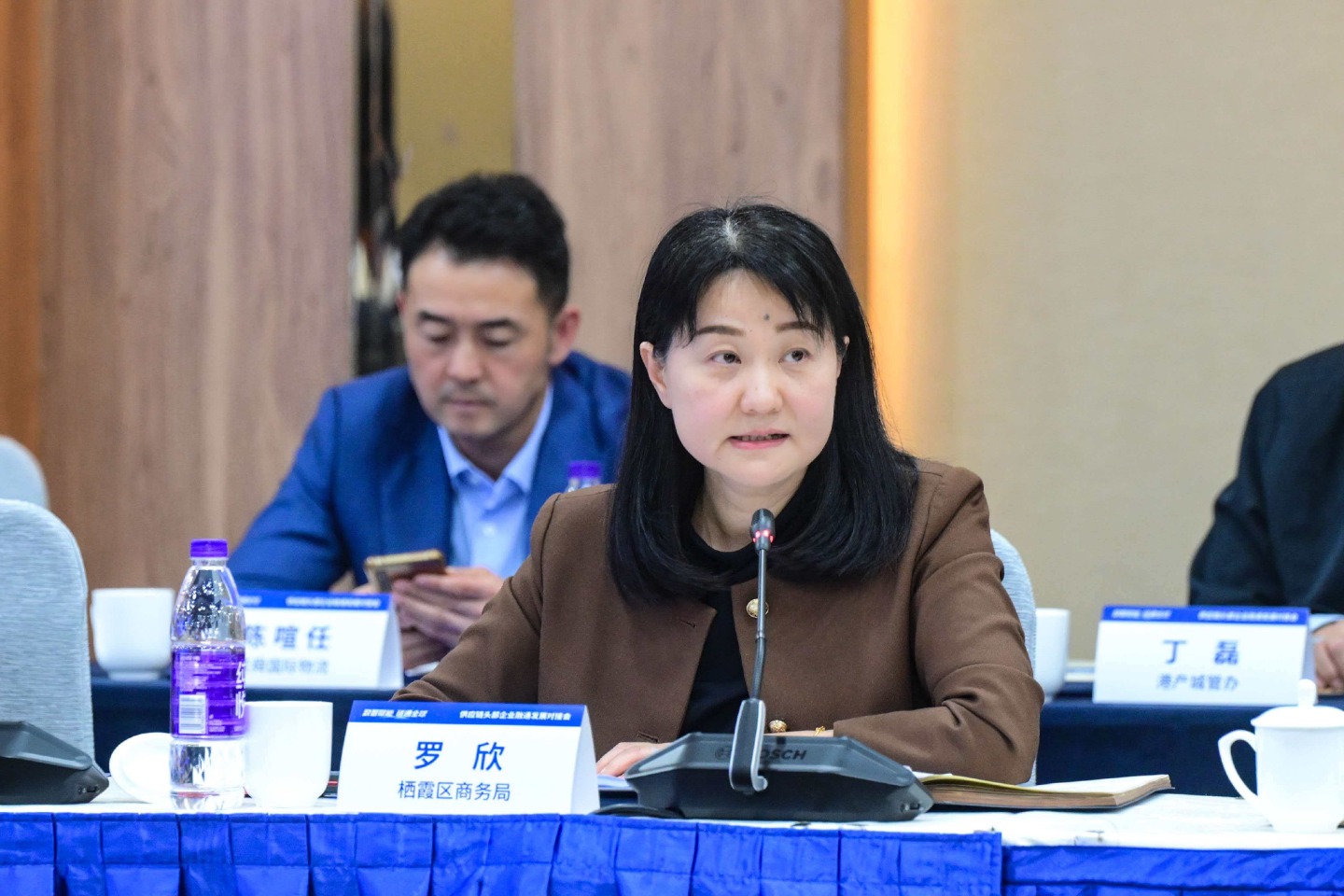
Luo Xin, Party Committee Secretary and Director of the Qixia District Commerce Bureau, noted that Qixia District, leveraging the combined strengths of its national-level economic development zone, Science City, and national logistics hub, is pushing forward with a quality services platform integrating inspection, certification, traceability, and technology as its core driver — advancing the model of "build one project, gather a cluster of enterprises, develop an industry." The platform will systematically advance four capabilities: full-category inspection, international certification, end-to-end traceability, and one-stop technical services — providing end-to-end empowerment for industrial chain upgrading and enterprises' overseas expansion. At the same time, Qixia will accelerate the construction of a regional quality services ecosystem through three key support mechanisms: targeted investment attraction at the Longtan Port integrated port-city demonstration zone, efficient port clearance linkages, and strengthened factor resource support — building a new benchmark for quality services in the Yangtze River Delta.
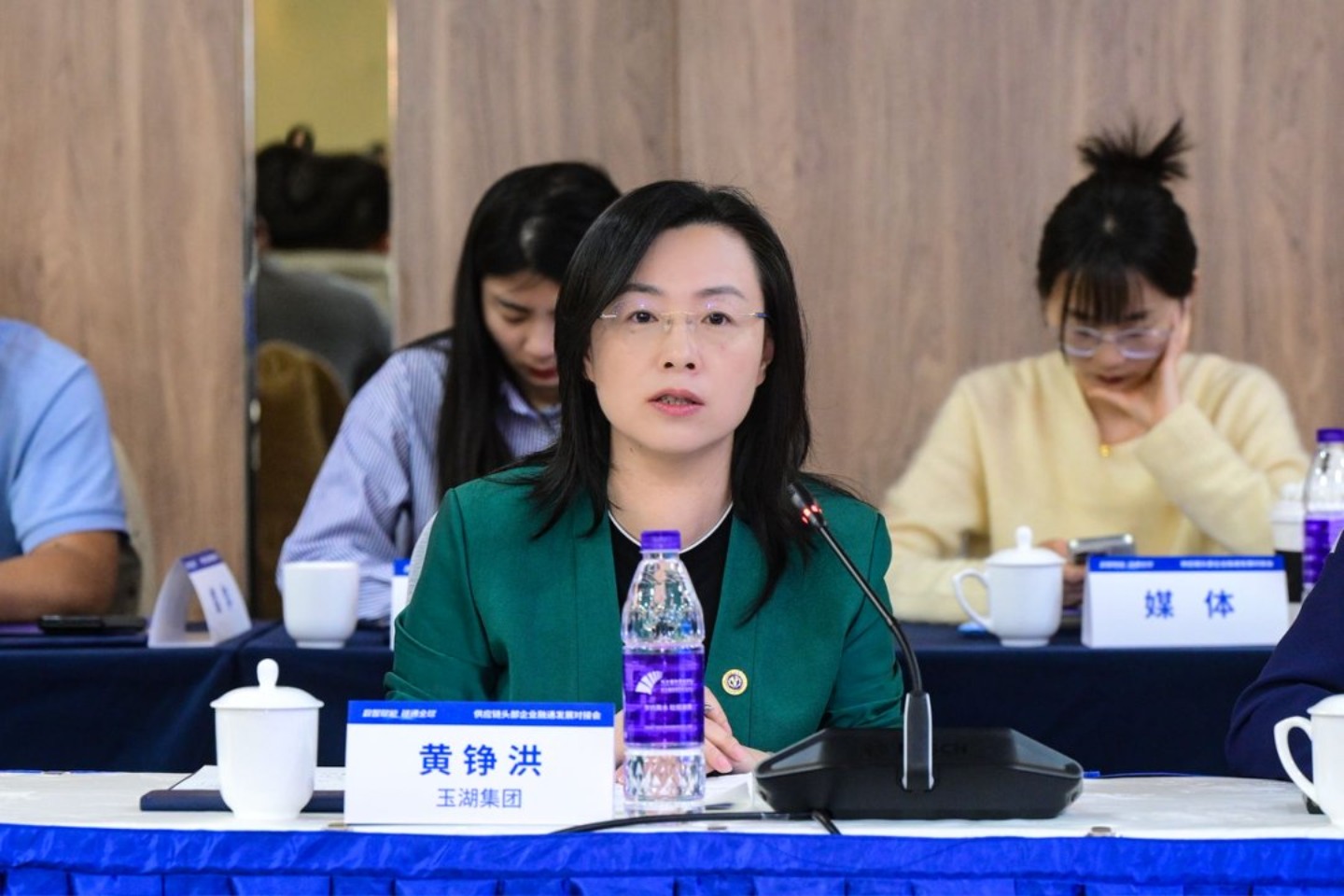
Huang Zhenghong, Executive Director of Yuhu Group Hong Kong, responded positively to the integrated platform initiative. She identified three major transformation trends facing the industry: first, the "warehousing-transport-distribution + overseas base" integrated model is accelerating, with leading enterprises needing to jointly build platform-based solutions; second, end-to-end traceability systems are becoming a mandatory international requirement, and she recommended building a unified data-hosting platform as the first step; and third, digitalised carbon emissions management is an urgent imperative, requiring enterprises to begin carbon management planning proactively. She emphasised that these three trends all point to a "data-driven global trust mechanism," with enterprises' future overseas competitiveness hinging on data transparency and standards compatibility. She also disclosed that a delegation of representatives from 13 African countries had visited Yuhu Cold Chain (Guangzhou) Trading Centre and expressed strong interest in adopting China's standards framework — a strategic window for the "system export" of Chinese standards. Yuhu Group is ready to collaborate with Qixia District and industry partners to pioneer practical initiatives in areas including traceability data, carbon emissions management, and international mutual recognition, helping Chinese supply chain standards reach the world.
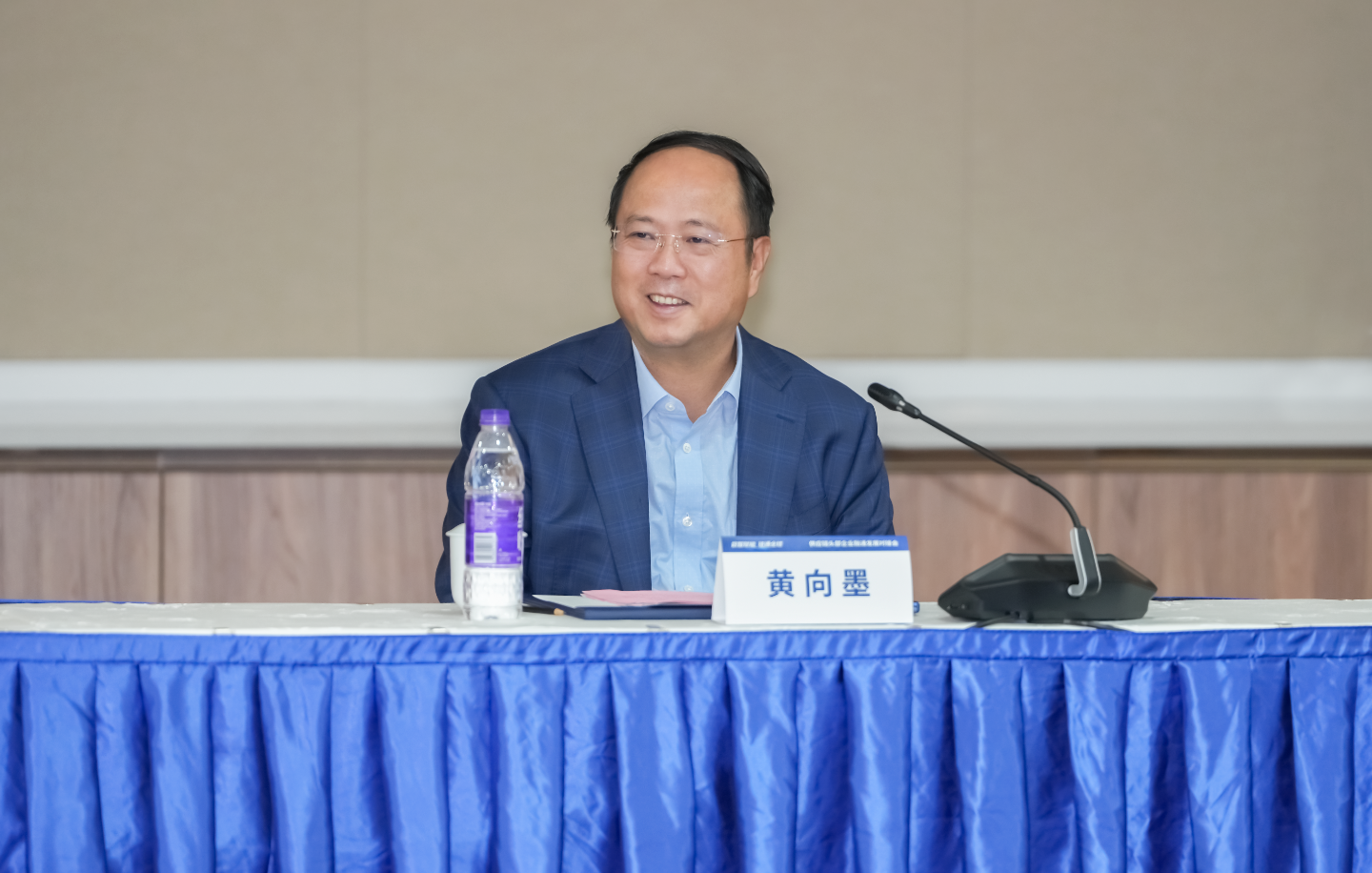
Huang Xiangmo, Chairman of the Board of Yuhu Group Hong Kong, observed that education, healthcare and food safety are important benchmarks of national development, and that China is steadily advancing toward the ranks of developed nations — a trajectory reflected in the high priority placed on food safety in recent years, which points the way forward for the industry. He noted that since Yuhu Cold Chain launched its Greater China strategy over five years ago, it has built high-specification temperature-controlled warehouses to the highest industry standards, established a end-to-end traceability system from origin to table, and facilitated the two-way flow of high-quality food. Addressing pain points such as the absence of industry standards and data silos, he called for the leading industry association to take the initiative and — in coordination with leading enterprises and government bodies — connect the silos across warehousing, road transport, air freight and ocean freight to establish unified service and safety standards and achieve end-to-end visibility management. He stated that Yuhu Group will spare no effort to build the Nanjing project into an international food ingredients trading and services platform and a cold chain food distribution hub rooted in the Yangtze River Delta and radiating across the country; to work with upstream and downstream enterprises to jointly build a modern cold chain food distribution system; to actively explore the integration of traditional food circulation with international standards and cross-sector collaboration with artificial intelligence, green energy, and new consumption; and to help premium food ingredients from around the world enter distribution markets more efficiently while also helping domestic products reach the world.
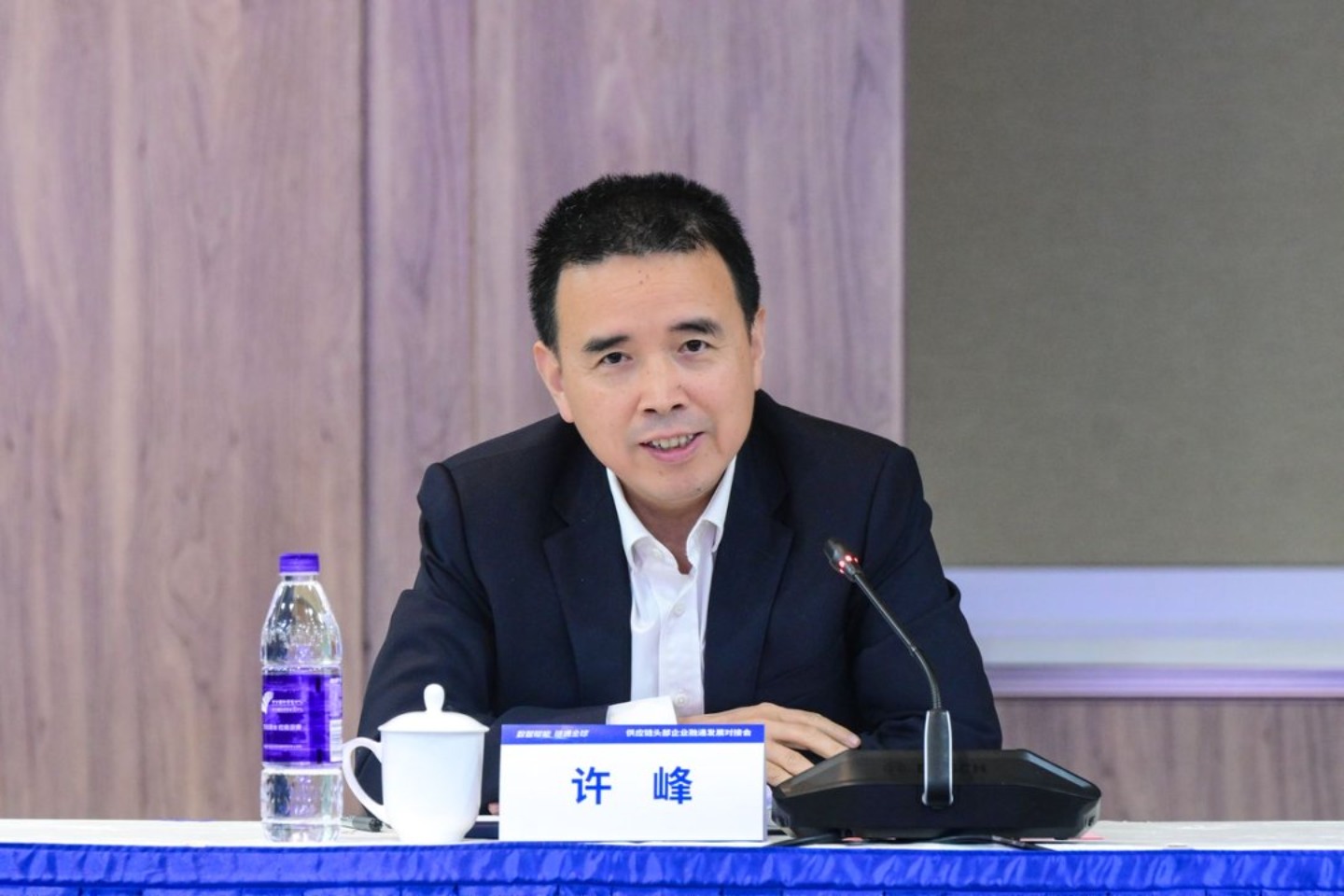
Vice Mayor Xu Feng delivered the closing remarks. He noted that as per capita GDP in Nanjing and the broader Yangtze River Delta region surpasses USD 30,000, demand for high-quality fresh produce is entering a period of rapid growth, with fresh produce import and export trade becoming an important track for driving consumption upgrading and import-export balance. He emphasised that fresh produce supply chains are highly complex and the ecosystem remains immature — a challenge, but also a significant opportunity, requiring systematic integration to resolve the bottlenecks across the supply chain. Looking ahead to the 15th Five-Year Plan period, Nanjing will work to build a higher-level dual-direction open hub, leverage its logistics hub locational advantages, and provide rich scenario support for supply chain enterprises, driving the transition from cooperation intent to substantive transaction outcomes. He called for government-enterprise coordination, with the trading platform as the foundation, to accelerate data connectivity, standards development and ecosystem building, and collectively advance Nanjing's high-quality development.
This matchmaking forum marks a continuation and deepening of the 10th China International Logistics Development Conference and the 2026 Nanjing High-Quality Logistics Development Conference, and signals meaningful progress by Nanjing and Qixia District in advancing the integrated development of leading supply chain enterprises. Yuhu Cold Chain will take this forum as a springboard to deepen cooperation with more supply chain leaders, and work together to build a modern supply chain ecosystem that is safe and stable, efficient and fluid, digitally intelligent and green, and open and collaborative — contributing to Nanjing's goal of becoming an international comprehensive transport hub city and regional shipping and logistics centre.